However, there are a few scenarios where the apparent DNA mass of a cell might seem to decrease:
* Cell Death (Apoptosis): When a cell undergoes programmed cell death (apoptosis), its DNA is broken down by enzymes called caspases. This fragmentation of DNA can be interpreted as a decrease in DNA mass.
* DNA Damage and Repair: If DNA is damaged, certain repair mechanisms might involve the removal of damaged sections. However, this is a localized process and doesn't fundamentally reduce the overall DNA mass.
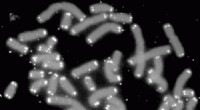
* Chromosomal Abnormalities: In some cases, genetic mutations might lead to deletions of large segments of DNA. These deletions could result in a decrease in the total DNA mass of a cell.
It's important to note that:
* DNA is generally not degraded or destroyed during normal cell function.
* The cell's DNA mass is usually preserved when a cell divides, with each daughter cell receiving a full copy of the parent cell's DNA.
Therefore, a decrease in DNA mass is not a common occurrence and is often associated with abnormal processes like cell death, DNA damage, or chromosomal abnormalities.