1. Deeper Understanding of Evolution:
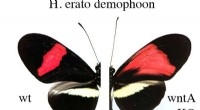
* Molecular and genetic data reveal hidden connections: Traditional classification often relied on visible characteristics, but these can be misleading. Organisms can evolve similar features independently due to convergent evolution.
* Genetic information reflects evolutionary history: DNA and RNA sequences are more directly related to an organism's evolutionary history. Similarities in these molecules reflect shared ancestry and the time since divergence.
* More precise relationships: Molecular data allows for a finer resolution of relationships, identifying subtle differences that might not be apparent from physical traits alone.
2. Objectivity and Repeatability:
* Quantitative data: Molecular comparisons are based on quantifiable data, such as nucleotide sequences and protein structures. This allows for objective analysis and reduces subjectivity in classification.
* Replicable results: Different researchers can analyze the same genetic data and obtain similar results, ensuring the classification is more consistent.
3. Expanding our knowledge:
* New insights into biodiversity: Molecular techniques have uncovered a wealth of previously unknown biodiversity, particularly among microorganisms.
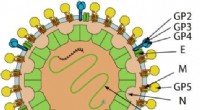
* Understanding complex relationships: Genetic analysis helps clarify the relationships between groups that were previously difficult to classify, such as microbes and viruses.
4. Practical Applications:
* Disease research: Understanding genetic relationships between organisms helps in studying disease transmission and developing treatments.
* Conservation efforts: Molecular data helps identify and prioritize species in need of conservation efforts.
* Forensic science: DNA analysis plays a vital role in identifying individuals and solving crimes.
In summary:
The use of molecular and genetic data in classification has revolutionized our understanding of the tree of life. It provides a more accurate, objective, and detailed framework for understanding evolutionary relationships, leading to a more comprehensive and nuanced view of biodiversity.