Here's why:
* Digestion: The small intestine receives partially digested food from the stomach and continues the breakdown process. It releases enzymes that break down proteins, carbohydrates, and fats into smaller molecules that the body can absorb.
* Absorption: The small intestine's lining is covered in tiny finger-like projections called villi, which increase its surface area. This allows for maximum absorption of nutrients into the bloodstream.
* Transportation: The absorbed nutrients are then transported to the liver, where they are processed further and distributed throughout the body.
While the small intestine is the primary player in nutrient processing, other organs play important supporting roles:
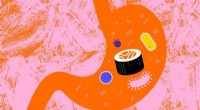
* Stomach: Starts the breakdown of food with digestive juices and enzymes.
* Pancreas: Secretes enzymes and bicarbonate into the small intestine to aid digestion.
* Liver: Filters and processes nutrients from the small intestine, storing some and releasing others as needed.
* Large intestine: Absorbs water and electrolytes, preparing waste for elimination.
Therefore, although the small intestine is the primary organ for nutrient processing, it works in concert with other organs to ensure efficient digestion and absorption of nutrients.