1. Protein Synthesis and Modification:
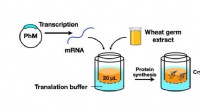
* Rough ER: Studded with ribosomes, this portion of the ER is the primary site of protein synthesis. Ribosomes translate mRNA into proteins, which are then threaded into the ER lumen.
* Folding and Modification: Inside the ER lumen, proteins undergo folding and modification. This includes disulfide bond formation, glycosylation, and other modifications that ensure proper protein structure and function.
2. Lipid and Steroid Synthesis:
* Smooth ER: This region lacks ribosomes and is responsible for the synthesis of lipids, including phospholipids, sterols, and fatty acids. These lipids are essential for building cell membranes, storing energy, and signaling.
* Steroid Synthesis: Plant cells produce a diverse range of steroids, including hormones like brassinosteroids, which regulate growth and development. Smooth ER plays a crucial role in their biosynthesis.
3. Detoxification:
* The ER in plant cells can detoxify harmful substances, including pesticides and herbicides. This detoxification process often involves modifying the toxins, making them less harmful or easier to excrete.
4. Calcium Storage and Signaling:
* The ER serves as a storage site for calcium ions (Ca²⁺). These ions are crucial for many cellular processes, including signaling, growth, and stress responses.
* When needed, the ER releases Ca²⁺ into the cytoplasm, triggering specific cellular responses.
5. Vesicle Formation and Transport:
* The ER acts as a central hub for the production and transport of vesicles. These small membrane-bound sacs carry proteins and other materials to other organelles within the cell or to the cell exterior.
6. Structural Support:
* The ER network provides structural support within the plant cell, contributing to its overall shape and organization.
7. Specialized Roles in Plant Cells:
* Chloroplast Association: The ER is closely associated with chloroplasts, facilitating the transfer of lipids and other materials between these organelles.
* Cell Wall Synthesis: The ER contributes to the synthesis of cellulose and other components of the cell wall, essential for plant structural integrity.
Overall, the endoplasmic reticulum is a highly dynamic and versatile organelle that plays a critical role in the life of plant cells. Its diverse functions are essential for growth, development, and the overall survival of plant organisms.