1. Increased Access to Resources:
* Food: A chameleon's tongue helps it catch insects, a giraffe's long neck allows it to reach leaves high in trees.
* Water: A camel's hump stores fat, which can be converted into water, allowing it to survive in arid environments.
* Shelter: A polar bear's thick fur and blubber provide insulation against cold temperatures.
2. Protection from Predators:
* Camouflage: A chameleon's ability to blend in with its surroundings helps it avoid detection by predators.
* Mimicry: A Viceroy butterfly resembles a toxic Monarch butterfly, deterring predators.
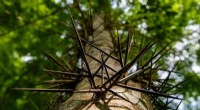
* Defense Mechanisms: A porcupine's quills and a skunk's spray protect them from attacks.
3. Improved Reproduction:
* Attracting Mates: Brightly colored feathers in birds or elaborate courtship dances help attract mates.
* Nesting Sites: A bird's ability to build a nest in a specific location protects its eggs.
4. Adapting to Environmental Changes:
* Climate Change: Some species are evolving to cope with rising temperatures or changes in precipitation patterns.
* Habitat Loss: Adaptations can help organisms survive in fragmented habitats or utilize new resources.
5. Survival in Specific Environments:
* Extreme Temperatures: Adaptations like thick fur, blubber, or specialized metabolic processes allow animals to survive in very cold or hot environments.
* Ocean Depths: Deep-sea creatures have adaptations for living in environments with high pressure and limited light.
The Process of Natural Selection:
Adaptations arise through the process of natural selection. This means that individuals with traits that make them better suited to their environment are more likely to survive, reproduce, and pass on those advantageous traits to their offspring. Over time, these advantageous traits become more common in the population.
Important Note: Adaptations are not a perfect system. They are often compromises, and what is advantageous in one environment may not be in another. Moreover, adaptations can take a long time to develop, so they may not always be enough to help a species survive rapid environmental change.