1. Bacteria:
* Characteristics: Unicellular prokaryotes, lacking a nucleus and membrane-bound organelles. They have diverse shapes (cocci, bacilli, spirilla), metabolic pathways, and can survive in various environments.
* Infectious diseases:
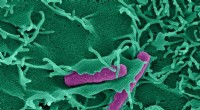
* Tuberculosis: Caused by *Mycobacterium tuberculosis*, a rod-shaped bacterium that infects the lungs and can spread to other organs.
* Pneumonia: Can be caused by various bacteria, including *Streptococcus pneumoniae*, *Haemophilus influenzae*, and *Mycoplasma pneumoniae*.
2. Archaea:
* Characteristics: Unicellular prokaryotes that share similarities with bacteria but are distinct in their biochemistry and genetics. They are often found in extreme environments like hot springs, salt lakes, and the human gut.
* Infectious diseases:
* Gastrointestinal Infections: Some archaea are associated with gastrointestinal issues, but they are not typically considered major pathogens like bacteria.
* No known major human pathogens: While archaea are diverse and abundant, they are not known to cause widespread human disease.
3. Fungi:
* Characteristics: Eukaryotic organisms that can be unicellular (yeasts) or multicellular (molds and mushrooms). They obtain nutrients through absorption and play important roles in decomposition and symbiosis.
* Infectious diseases:
* Athlete's Foot: Caused by *Trichophyton* species, a dermatophyte fungus that infects the skin of the feet.
* Ringworm: A general term for several skin infections caused by different *Trichophyton*, *Microsporum*, and *Epidermophyton* species.
4. Protozoa:
* Characteristics: Single-celled eukaryotic organisms with diverse forms and feeding strategies. They can be free-living or parasitic, and some play important roles in ecosystems.
* Infectious diseases:
* Malaria: Caused by *Plasmodium* parasites transmitted through mosquito bites, affecting red blood cells and causing fever, chills, and other symptoms.
* Giardiasis: An intestinal infection caused by *Giardia lamblia*, a flagellated protozoan that can lead to diarrhea, cramps, and dehydration.
5. Viruses:
* Characteristics: Non-cellular entities consisting of a nucleic acid core (DNA or RNA) enclosed in a protein coat. They require a host cell to replicate and can cause a wide range of diseases.
* Infectious diseases:
* Influenza: Caused by influenza viruses, which infect the respiratory system and cause fever, cough, sore throat, and muscle aches.
* HIV/AIDS: Caused by the human immunodeficiency virus (HIV), which attacks the immune system and can lead to acquired immunodeficiency syndrome (AIDS).
Note: This is a general overview of the five classes of microorganisms and their associated diseases. The specific species within each class can vary significantly in their characteristics and disease-causing potential. It's important to remember that this list is not exhaustive and there are many other diseases caused by microorganisms.