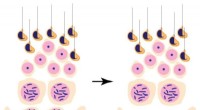
Skin cells: The outermost layer of your skin, the stratum corneum, is made up of dead cells. These cells are filled with keratin, a tough protein that provides protection. As new skin cells are produced beneath, the dead cells are shed from the surface.
Hair and nails: These are also made up of dead cells that are filled with keratin.
Red blood cells: Red blood cells have a lifespan of about 120 days. After this time, they are broken down in the spleen and liver.
White blood cells: While some types of white blood cells are part of the immune response and live for varying lengths of time, others are short-lived. Neutrophils, for example, are involved in fighting infection and only survive for a few days.
Other examples:
* Bone cells: While bone tissue is constantly being remodeled, some bone cells die off as part of this process.
* Sperm cells: Sperm cells have a limited lifespan and die off if they don't fertilize an egg.
* Nerve cells: While most nerve cells are long-lived, some can die due to injury or disease.
It's important to note that while cells can die, they can also be removed by the body through a process called apoptosis. This is a controlled process of cell death that is essential for maintaining the health of the body.
Examples of dead cells in other organisms:
* Plant cells: Plant cells can also die, such as those in leaves that fall off trees or in the xylem and phloem tissues that transport water and nutrients.
* Bacteria: Bacterial cells can die due to factors such as antibiotics or lack of nutrients.
* Fungi: Fungal cells can also die, such as those in mushrooms that have reached the end of their life cycle.
Overall, cell death is a natural part of life and is necessary for maintaining the health and proper functioning of living organisms.