Basic Cellular Processes:
* Muscle contraction: ATP is essential for the sliding of muscle fibers, allowing movement.
* Nerve impulse transmission: The release of neurotransmitters at synapses requires ATP.
* Active transport: ATP fuels pumps that move molecules across cell membranes against their concentration gradients.
* Protein synthesis: Building proteins from amino acids requires ATP.
* DNA replication and repair: These processes are energy-demanding and rely heavily on ATP.
Other Important Functions:
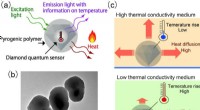
* Heat production: Some of the energy released from ATP breakdown is converted into heat, helping maintain body temperature.
* Hormone synthesis: Creating hormones, which act as chemical messengers, uses ATP.
* Immune system responses: Fighting off infections and responding to foreign invaders uses ATP.
* Cell signaling: ATP can act as a signaling molecule, communicating between cells.
In essence, ATP powers almost every single process that occurs within your body. It's crucial for everything from simple muscle movements to complex cognitive functions.