1. Plants make their own food, animals eat other organisms:
* Plant Cells: Plants are autotrophs, meaning they make their own food through photosynthesis. This process requires sunlight, water, and carbon dioxide. To facilitate this, plant cells have:
* Chloroplasts: These organelles contain chlorophyll, the pigment that captures light energy.
* Large central vacuole: This stores water and helps maintain cell shape, essential for capturing sunlight effectively.
* Cell wall: This rigid structure provides support and protection, crucial for the upright growth of plants.
* Animal Cells: Animals are heterotrophs, meaning they obtain their food by consuming other organisms. They lack chloroplasts and have smaller vacuoles.
2. Plants need to be sturdy and support themselves:
* Plant Cells: Plant cells need to be strong to withstand the forces of gravity and wind. They have a rigid cell wall made of cellulose that gives them structural support.
* Animal Cells: Animal cells lack a rigid cell wall. They rely on internal structures like the cytoskeleton for support and flexibility.
3. Plants need to conserve water:
* Plant Cells: Plants need to retain water to maintain turgor pressure (internal pressure that gives them rigidity). Their large central vacuoles help them store water.
* Animal Cells: Animals obtain water from their environment and have smaller vacuoles that play a role in maintaining cell function.
4. Plants need to reproduce differently:
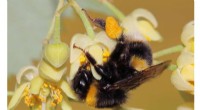
* Plant Cells: Plants have unique structures for reproduction. They can reproduce sexually through flowers and seeds, and asexually through methods like budding and cuttings.
* Animal Cells: Animal cells reproduce primarily through sexual reproduction, involving the fusion of gametes (sperm and egg).
In short, the differences between plant and animal cells reflect the fundamental differences in their life strategies. Plants are adapted for making their own food, being stationary, and conserving water, while animals are adapted for seeking food, movement, and obtaining water from their environment.