Abiotic factors are non-living components of the environment, such as temperature, sunlight, water, and wind. While these factors can influence pollination, they are not active agents in the process.
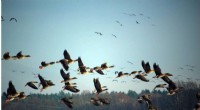
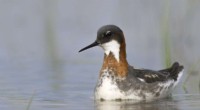
Pollinators are the organisms that facilitate the transfer of pollen. They are typically biotic, meaning they are living organisms like insects, birds, bats, and even some reptiles.
Here's a breakdown:
* Abiotic factors like wind and water can facilitate pollination, but they don't actively move pollen between flowers.
* Biotic pollinators like bees, butterflies, and birds actively transfer pollen from flower to flower.
So, while abiotic factors can play a role in the environment surrounding pollination, they are not pollinators themselves.