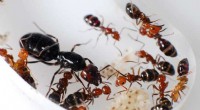
1. Interspecific competition: Competition between individuals of *different* species. This is the scenario you're likely referring to. For example, lions and hyenas compete for the same prey.
2. Intraspecific competition: Competition between individuals of the *same* species. This is competition for resources like food, mates, or territory within the same species. For example, two male deer competing for the same female.
Outcomes of Competition:
* Competitive exclusion: One species outcompetes the other, driving the weaker competitor to extinction or forcing it to adapt to a different niche.
* Resource partitioning: Both species coexist, but they specialize in different aspects of the shared niche to minimize competition. For example, different species of warblers may feed on different parts of the same tree to avoid direct competition.
* Character displacement: The species evolve to have different traits that allow them to better utilize different resources, reducing competition. This can lead to the divergence of the species.
* Coexistence with fluctuating populations: Both species may fluctuate in population size over time, depending on factors like resource availability and environmental conditions.
The Competitive Exclusion Principle:
This principle states that two species competing for the same limited resource cannot coexist indefinitely. One species will eventually outcompete the other. However, this principle is not always applicable, as other factors like fluctuating environments, resource availability, and predator-prey relationships can influence the outcome.
The Importance of Niche Overlap:
Competition can be a driving force for evolution and diversity. It can lead to specialization, adaptation, and the development of new species. However, it can also lead to the decline and extinction of species if the competition is too intense or if the resources are too limited.
Therefore, the outcome of two organisms trying to occupy the same niche depends on a complex interplay of factors, but competition is a key driver in shaping the relationships between species and the evolution of life on Earth.