Here's a breakdown:
Formation:
* Fertilization: The process begins with fertilization, where a sperm cell fuses with an egg cell.
* Zygote: The fertilized egg cell is called a zygote, a single cell containing the genetic material of both parents.
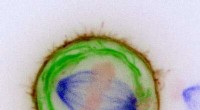
* Cleavage: The zygote undergoes rapid cell divisions called cleavage, forming a ball of cells called a morula.
* Blastocyst: The morula develops into a blastocyst, a hollow ball of cells with an inner cell mass.
Development:
* Implantation: The blastocyst implants into the uterine wall, where it receives nourishment and begins to develop.
* Germ Layers: The inner cell mass forms three primary germ layers: ectoderm, mesoderm, and endoderm. These layers give rise to all the tissues and organs of the body.
* Organogenesis: The germ layers differentiate into specific tissues and organs through a process called organogenesis.
Duration:
* The embryonic stage typically lasts until the end of the eighth week of gestation in humans.
Key Features:
* Rapid growth: Embryonic development is characterized by rapid growth and differentiation.
* Formation of tissues and organs: Embryos form all the basic tissues and organs of the body.
* Vulnerability: Embryos are highly vulnerable to environmental factors, including toxins, infections, and radiation.
Note:
The term "embryo" is usually used to refer to the developing organism during the early stages of pregnancy. After the eighth week of gestation, the developing organism is called a fetus.