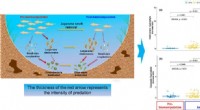
Bioremediation harnesses the power of living organisms, primarily microbes, to break down or remove pollutants from the environment. It's a natural process that offers a sustainable and cost-effective alternative to traditional cleanup methods. Here's how it works:
1. Selecting the Right Microbes:
The first step is identifying the specific pollutants and choosing microbes with the ability to break them down. These microbes, mostly bacteria and fungi, have evolved enzymes that can degrade various contaminants like:
* Organic pollutants: Oil, pesticides, herbicides, solvents
* Inorganic pollutants: Heavy metals, radioactive waste
2. Enhancing Microbial Activity:
Once the right microbes are selected, the environment is often manipulated to optimize their activity. This can involve:
* Adding nutrients: Microbes need food to grow and work efficiently. Adding nutrients like nitrogen and phosphorus can boost their activity.
* Optimizing temperature and pH: Microbes thrive within specific temperature and pH ranges. Adjusting these conditions can enhance their performance.
* Adding oxygen: Some microbes require oxygen for their breakdown processes, so aeration techniques can be employed.
3. Breakdown and Transformation:
Microbes break down pollutants through various enzymatic reactions. Some common processes include:
* Biodegradation: The complete breakdown of a pollutant into harmless byproducts like carbon dioxide, water, and salts.
* Biotransformation: Transforming a pollutant into a less harmful or more easily removed form.
* Biosorption: Microbes can absorb and accumulate pollutants on their cell surfaces.
4. Monitoring and Evaluation:
The effectiveness of bioremediation is constantly monitored through various tests like:
* Pollutant concentration analysis: Measuring the reduction in pollutant levels over time.
* Microbial population analysis: Monitoring the growth and activity of the bioremediating microbes.
Types of Bioremediation:
* In-situ: Cleaning up the pollutants in their original location, often using natural microbes present in the soil or water.
* Ex-situ: Removing the contaminated material to a different location for treatment with specific microbes.
* Bioaugmentation: Adding specific microbes to enhance the existing microbial population.
* Biostimulation: Providing nutrients and other conditions to stimulate the activity of native microbes.
Benefits of Bioremediation:
* Environmentally friendly: It uses natural processes, reducing reliance on harsh chemicals.
* Cost-effective: It can be cheaper than traditional methods, especially for large-scale cleanups.
* Sustainable: It promotes the restoration of natural ecosystems.
* Versatile: It can be used for a wide range of pollutants.
Limitations of Bioremediation:
* Time-consuming: Some pollutants take longer to break down.
* Not all pollutants are biodegradable: Certain pollutants may resist microbial degradation.
* Site-specific: The effectiveness of bioremediation can vary greatly depending on the environment and the specific pollutant.
Overall, bioremediation is a promising approach to environmental cleanup, offering a sustainable and cost-effective solution for a variety of pollutants. However, it's important to consider its limitations and ensure proper planning and monitoring for optimal results.