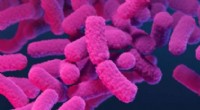
1. Producing toxins: Some bacteria produce harmful toxins that can damage cells and tissues. These toxins can be released into the environment or remain inside the bacteria.
* Examples:
* *Clostridium botulinum* produces botulinum toxin, causing botulism.
* *Staphylococcus aureus* produces toxins that cause food poisoning.
* *Vibrio cholerae* produces toxins that cause cholera.
2. Invading and damaging tissues: Some bacteria directly invade and damage host tissues. This can happen through:
* Directly breaking down tissues: Some bacteria have enzymes that break down tissues, allowing them to spread further.
* Triggering the immune system: The body's immune response to the bacteria can sometimes damage healthy tissues as well.
* Blocking essential functions: Bacteria can colonize organs like the lungs or intestines, interfering with their normal function.
* Examples:
* *Streptococcus pneumoniae* can cause pneumonia by invading the lungs.
* *Mycobacterium tuberculosis* can cause tuberculosis by invading the lungs and causing inflammation.
* *Neisseria gonorrhoeae* can cause gonorrhea by invading the reproductive tract.
It's important to note that these are just two of the many ways bacteria can cause disease. The specific mechanisms vary depending on the species of bacteria involved.