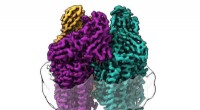
1. To study objects too small to see with the naked eye:
* Cells: Microscopes allow biologists to observe the intricate structures within cells, such as the nucleus, mitochondria, and other organelles. This helps them understand how cells function and how different types of cells are specialized.
* Microorganisms: Microscopes are essential for studying bacteria, viruses, fungi, and other microorganisms that are invisible to the naked eye. This is critical for understanding infectious diseases, developing antibiotics, and researching the microbial world.
* Tissues and Organs: Microscopes allow detailed examination of the structure of tissues and organs, helping biologists understand their development, function, and how they are affected by disease.
2. To see detailed structures:
* Internal structures: Microscopes can reveal the internal details of cells, tissues, and organs, allowing biologists to study their internal workings and how different parts interact.
* Surface features: Microscopes can show the surface features of organisms, such as the scales of a fish or the hairs on an insect. This is important for identifying different species and understanding their adaptations.
* Molecular interactions: Specialized microscopes, such as electron microscopes, can even visualize the interactions between molecules, providing insights into the fundamental processes of life.
3. To perform specific analyses:
* Fluorescence microscopy: This technique allows biologists to visualize specific molecules or structures within cells by using fluorescent dyes.
* Immunofluorescence microscopy: This technique uses antibodies to target specific proteins or structures within cells, allowing for detailed visualization of these components.
* Confocal microscopy: This technique uses lasers to scan a specimen, creating three-dimensional images of cells and tissues.
In summary: Microscopes are essential tools for biologists, enabling them to:
* See the invisible: Study microscopic organisms and cellular structures.
* Examine detail: Understand the intricate workings of cells, tissues, and organs.
* Perform specialized analyses: Visualize specific molecules and interactions within cells.
The use of microscopes has revolutionized our understanding of biology, providing insights into the fundamental building blocks of life and the complex processes that govern it.