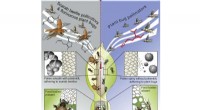
1. Secretion of enzymes: Fungi release powerful enzymes from their hyphae (thread-like filaments) into their surroundings. These enzymes break down complex organic molecules in their food source, such as wood, leaves, or other decaying matter.
2. Absorption: The broken-down molecules, now in simpler forms like sugars and amino acids, are absorbed by the hyphae. This process is called absorption.
3. Internal digestion: Once absorbed, the fungi digest these smaller molecules internally to obtain energy (ATP) and building blocks for growth and development.
Key points about saprotrophic nutrition in multicellular fungi:
* Heterotrophic: They rely on external sources of organic compounds for energy and building materials, unlike plants that produce their own food through photosynthesis.
* Decomposers: Fungi play a crucial role in ecosystems as decomposers, breaking down dead organisms and releasing nutrients back into the environment.
* Wide range of food sources: They can digest a wide variety of organic matter, including wood, leaves, animal waste, and even some synthetic materials.
* Essential for nutrient cycling: They are essential for nutrient cycling and contribute to the breakdown of organic matter, making nutrients available for other organisms.
In summary, multicellular fungi obtain their energy and chemicals by secreting enzymes to break down complex molecules, absorbing the simpler molecules, and then digesting them internally. This process is essential for their survival and plays a vital role in ecosystems.