1. DNA as the Blueprint:
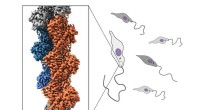
* DNA (Deoxyribonucleic Acid): Imagine DNA as a long, twisted ladder. It contains the genetic instructions needed for building and maintaining an organism.
* Genes: Each rung of the ladder represents a gene, a specific segment of DNA that codes for a particular trait. These traits can range from eye color to susceptibility to certain diseases.
2. Packaging DNA:
* Chromatin: DNA is very long and needs to be tightly packaged to fit within the nucleus of a cell. It's wrapped around proteins called histones, forming a complex called chromatin. This packaging helps to organize the DNA and control which genes are active.
3. Formation of Chromosomes:
* Chromosomes: Before cell division, chromatin further condenses into compact structures called chromosomes. Each chromosome consists of two identical copies of DNA (called sister chromatids) held together at a central region called the centromere.
4. The Human Karyotype:
* Humans: Humans typically have 46 chromosomes, arranged in 23 pairs. One chromosome from each pair comes from the mother and the other from the father.
* Autosomes: 22 of these pairs are called autosomes, which determine most of the physical characteristics.
* Sex Chromosomes: The remaining pair is called the sex chromosomes, which determine the sex of an individual (XX for female, XY for male).
5. Cell Division:
* Mitosis: During cell division, the chromosomes are carefully duplicated and distributed equally to the daughter cells, ensuring that each new cell receives a complete set of genetic information.
In essence, chromosomes are the organized and condensed form of DNA that ensures the accurate transmission of genetic information from one generation to the next.