Growth and Development:
* From a single cell to a multicellular organism: Mitosis is the process that enables a single fertilized egg (zygote) to divide repeatedly, producing trillions of cells that eventually form a complete organism. This is why every cell in your body has the same genetic material – it originated from that single zygote.
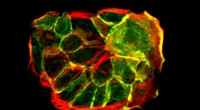
* Tissue and organ formation: During development, mitosis ensures the formation of specialized tissues and organs with distinct functions. It's the mechanism behind the growth of your bones, muscles, skin, and every other part of your body.
Repair and Renewal:
* Replacing worn-out cells: Your body is constantly losing cells due to aging, injury, and normal wear and tear. Mitosis allows for the production of new cells to replace these lost ones, ensuring tissue repair and maintaining the integrity of your organs.
* Maintaining tissues: Even when not actively repairing damage, mitosis ensures that tissues continue to grow and replace old cells, maintaining their functionality. For example, your skin is constantly shedding and renewing itself through mitosis.
Asexual Reproduction:
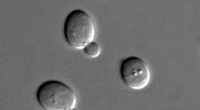
* Single-celled organisms: In many single-celled eukaryotic organisms like yeasts and amoebas, mitosis is the primary mode of reproduction, allowing them to create genetically identical copies of themselves.
Other Functions:
* Maintaining genetic stability: Mitosis ensures that each daughter cell receives an identical copy of the parent cell's genetic material, preserving the genetic integrity of the organism.
* Cellular differentiation: While mitosis produces genetically identical cells, these cells can differentiate into various cell types, contributing to the development of specialized tissues and organs.
In summary: Mitosis is crucial for the survival and well-being of eukaryotic organisms. It enables growth, development, repair, and reproduction, ensuring the proper functioning and maintenance of all living things.