Insects:
* Beetles: Many species of beetles, such as dung beetles, carrion beetles, and burying beetles, feed on decaying animal matter.
* Flies: Flies, particularly maggots, are known for their role in decomposing dead animals and organic waste.
* Ants: Some ants, like the leafcutter ants, break down plant material for food, contributing to decomposition.
* Termites: Termites are highly effective decomposers of wood and other plant material.
Other invertebrates:
* Earthworms: These familiar creatures are essential for decomposing organic matter in soil, improving soil fertility.
* Millipedes: Millipedes are known for their ability to break down dead leaves and other plant debris.
* Snails and slugs: These mollusks can contribute to decomposition by feeding on decaying plants and fungi.
Vertebrates:
While not primarily decomposers, some vertebrates play a role in breaking down organic matter:
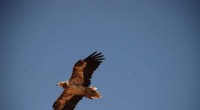
* Vultures: These birds of prey scavenge on carrion, helping to remove dead animals from the ecosystem.
* Hyenas: These scavengers are known for their ability to break down large carcasses.
* Fish: Certain fish, such as catfish and carp, can feed on decaying matter in aquatic environments.
It's important to note that while these animals contribute to decomposition, they are not the sole decomposers. Fungi and bacteria are the primary drivers of decomposition, playing a crucial role in breaking down complex organic matter into simpler compounds.