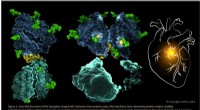
Definition: Mitochondria are double-membrane-bound organelles found in most eukaryotic cells, responsible for cellular respiration and ATP production.
Key Features:
* Double membrane: Consists of an outer membrane and an inner membrane, with the inner membrane folded into cristae that increase its surface area.
* Matrix: The space enclosed by the inner membrane, containing enzymes for the Krebs cycle and fatty acid oxidation.
* Own DNA and ribosomes: Mitochondria have their own circular DNA and ribosomes, allowing them to synthesize some of their own proteins.
* Cellular respiration: Mitochondria are responsible for oxidative phosphorylation, the process that uses oxygen to produce ATP, the cell's main energy currency.
* Other functions: Beyond energy production, mitochondria are involved in calcium signaling, apoptosis (programmed cell death), and steroid hormone synthesis.
Importance: Mitochondria are vital for cell survival and function. Their dysfunction can lead to various diseases, including neurodegenerative disorders, cardiomyopathy, and diabetes.
In essence, mitochondria are the powerhouses of the cell, converting food into energy that drives essential cellular processes.