1. Growth and Development:
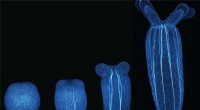
* Multicellular organisms: Mitosis is the primary mechanism for increasing the number of cells in an organism, leading to growth from a single fertilized egg to a complex individual.
* Single-celled organisms: Mitosis allows for asexual reproduction, where a single cell divides to produce two identical daughter cells.
2. Repair and Regeneration:
* Wound healing: Mitosis replaces damaged or lost cells in tissues, promoting the healing of injuries.
* Tissue renewal: Many tissues in the body undergo constant renewal, like skin, blood cells, and the lining of the digestive tract. Mitosis ensures a constant supply of new cells for these tissues.
3. Asexual Reproduction:
* Many organisms: Some organisms, like plants, bacteria, and single-celled eukaryotes, reproduce asexually through mitosis, generating offspring genetically identical to the parent.
4. Maintaining Chromosome Number:
* Diploid cells: Mitosis ensures that the number of chromosomes remains constant in daughter cells, preserving the genetic information of the parent cell. Each daughter cell receives a complete set of chromosomes.
5. Cell Differentiation:
* Specialized cells: While mitosis generates identical cells, these cells can subsequently differentiate into specialized cell types with different functions (e.g., muscle cells, nerve cells, blood cells) during development.
In summary, mitosis is a vital process that ensures the growth, repair, and propagation of life. It is responsible for generating new cells with the same genetic information as the parent cell, contributing to the development and maintenance of all living organisms.