Here's a breakdown of key aspects:
Structure and Function:
* Anatomy: Examines the physical structure of organisms, including organs, tissues, and cells.
* Physiology: Studies how the different parts of an organism function and interact with each other.
* Development: Investigates the processes of growth and development from fertilized egg to adulthood.
Evolution and Adaptation:
* Phylogeny: Traces the evolutionary relationships between organisms.
* Adaptation: Explores how organisms have evolved specific traits to survive and reproduce in their environments.
* Biodiversity: Studies the variety of life on Earth and the factors that contribute to its diversity.
Behavior:
* Ethology: Examines the behavior of organisms in their natural environments, including communication, mating, and social interactions.
* Neurobiology: Investigates the nervous system and its role in controlling behavior.
Interactions with the Environment:
* Ecology: Studies how organisms interact with their environment, including other organisms and physical factors like temperature, water, and nutrients.
* Conservation Biology: Focuses on the protection of endangered species and ecosystems.
Examples of Research Areas in Organismal Biology:
* Studying the migratory patterns of birds
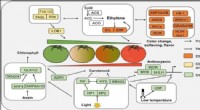
* Investigating the mechanisms of photosynthesis in plants
* Understanding the social structure of primate groups
* Analyzing the impact of climate change on marine ecosystems
Interdisciplinary nature:
Organismal biology draws on knowledge from various other disciplines, including:
* Genetics
* Molecular biology
* Biochemistry
* Biophysics
Key Concepts:
* Homeostasis: The ability of organisms to maintain a stable internal environment.
* Natural Selection: The process by which organisms with advantageous traits are more likely to survive and reproduce.
* Ecosystem Services: The benefits humans derive from ecosystems, such as clean air, water, and food.
In essence, organismal biology seeks to understand the fascinating diversity of life on Earth and the intricate relationships that connect organisms to each other and their environment. It is a field that is constantly evolving and offering new insights into the complexities of the living world.