Molecular evidence is a powerful tool for understanding the evolutionary relationships between organisms. Here's a breakdown of key types:
1. DNA and RNA Sequencing:
* Similarities in DNA and RNA: All living things share the same basic genetic code (ATCG for DNA and AUCG for RNA). The closer two species are evolutionarily, the more similar their DNA and RNA sequences will be.
* Shared DNA sequences: Organisms inherit their DNA from their ancestors. By comparing DNA sequences, scientists can identify shared genetic features that point to common ancestry. For example, the presence of specific genes involved in cellular processes like respiration are found across diverse organisms, supporting the idea of a common ancestor.
* Pseudogenes: Non-functional genes are remnants of genes that were once active in an ancestor but have lost their function due to mutations. They can be used to trace evolutionary relationships, as their degradation patterns reveal shared ancestry.
2. Protein Comparisons:
* Amino acid sequences: Proteins are built from amino acids, and their sequences are determined by DNA. Like DNA, proteins with similar amino acid sequences suggest closer evolutionary relationships.
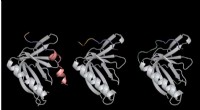
* Protein structure: The three-dimensional structure of a protein can also reveal evolutionary connections. Similar protein structures often indicate shared ancestry, even if the amino acid sequences are slightly different.
* Gene expression patterns: The way genes are turned on and off in different cells and tissues can also provide insights into evolutionary relationships. Species with similar gene expression patterns are more likely to be closely related.
3. Molecular Clocks:
* Mutation rates: DNA sequences accumulate mutations at a relatively consistent rate over time. Scientists can use these rates as "molecular clocks" to estimate the time of divergence between different species.
* Calibration: Molecular clocks need to be calibrated against known evolutionary events, such as the fossil record, to ensure accurate dating.
Examples:
* Human and chimpanzee DNA: Humans and chimpanzees share approximately 98% of their DNA, providing compelling evidence for our shared evolutionary history.
* Evolution of antibiotic resistance: The spread of antibiotic resistance in bacteria is a clear example of evolution in action, observable at the molecular level. Mutations in bacterial genes can lead to resistance, which is then passed on to subsequent generations.
* Tracing human migrations: By analyzing mitochondrial DNA, scientists have traced human migrations throughout history, shedding light on our ancestral origins.
Limitations:
* Incomplete fossil record: While molecular data provides a valuable tool, it's crucial to consider other evidence like the fossil record to fully understand evolutionary relationships.
* Horizontal gene transfer: In some organisms, like bacteria, genetic material can be transferred directly between individuals, not just through inheritance. This can complicate the interpretation of molecular data.
Overall, molecular evidence for evolution is incredibly strong and provides a powerful framework for understanding the diversity of life on Earth. It reinforces the idea that all living organisms share a common ancestor and have evolved over time through the accumulation of genetic changes.