1. Genetic Programming:
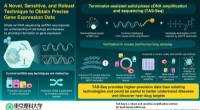
* Differential Gene Expression: Each cell in an embryo inherits the same DNA, but only a specific subset of genes is activated in each cell type. This selective gene expression determines the specific proteins produced and ultimately the cell's function and fate.
* Transcription Factors: These proteins bind to DNA and regulate gene expression. Different combinations of transcription factors in different cells lead to the activation of specific genes, driving differentiation.
* Epigenetics: Modifications to DNA and its associated proteins, without altering the DNA sequence itself, can also control gene expression. This can determine which genes are accessible for transcription, impacting cell fate.
2. External Signals:
* Cell-Cell Interactions: Cells in the embryo communicate with each other through signaling molecules. These signals can activate or repress gene expression, influencing the fate of neighboring cells.
* Extracellular Matrix: The scaffolding of proteins and carbohydrates surrounding cells influences their behavior. This matrix can provide positional cues, indicating where a cell should differentiate.
* Growth Factors: These signaling molecules stimulate cell growth and differentiation, often acting in combination with other factors.
3. Stochastic Events:
* Random Fluctuations: Sometimes, small random differences in gene expression or signal reception can lead to distinct fates for seemingly identical cells. This randomness can contribute to the diversity and robustness of development.
The Process of Differentiation:
* Commitment: Cells become progressively restricted in their developmental potential. This commitment can be reversible in the early stages, but later becomes irreversible.
* Determination: A cell's fate is definitively decided, and it will differentiate into a specific cell type.
* Differentiation: The cell undergoes structural and functional changes to become a specialized cell.
Why is Differentiation Important?
* Cellular Specialization: Differentiation allows for the development of complex organisms with specialized tissues and organs, each performing unique functions.
* Development and Growth: Differentiation is essential for the formation of all the cells and tissues necessary for a complete organism.
* Tissue Repair and Regeneration: Some cells retain the ability to differentiate, allowing for tissue repair and regeneration.
In conclusion, the process of cell differentiation in a developing embryo is a tightly regulated and complex process driven by a combination of genetic programming, external signals, and even some random events. This sophisticated interplay ensures the correct development and specialization of cells, ultimately resulting in a functional and complex organism.