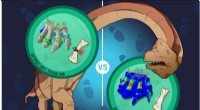
Here are its functions:
* Photosynthesis: This is the primary function of the chloroplast. It uses sunlight, water, and carbon dioxide to produce glucose (sugar) and oxygen. This process is essential for the plant's growth and survival.
* Starch Storage: Chloroplasts can store starch, a complex carbohydrate, for later use by the plant.
* Lipid Synthesis: Chloroplasts also play a role in the synthesis of lipids (fats), which are important for cell membranes and other functions.
* Amino Acid Synthesis: Some amino acids, the building blocks of proteins, are also synthesized within chloroplasts.
* Regulation of Plant Growth: Chloroplasts can signal to the rest of the plant about its nutritional status, influencing growth and development.
In summary, the chloroplast is a vital organelle for plants, enabling them to produce their own food, store energy, and regulate growth.