Directly affecting the DNA sequence:
* Radiation: High levels of radiation (e.g., from the sun or nuclear accidents) can cause mutations in DNA. These changes can alter the genetic code and lead to genetic diseases.
* Chemicals: Certain chemicals, known as mutagens, can damage DNA and alter its sequence. Examples include some pollutants, pesticides, and tobacco smoke.
Indirectly affecting gene expression:
* Temperature: Temperature changes can affect enzyme activity involved in DNA replication and repair, potentially leading to errors in the genetic code. Extreme temperatures can also influence gene expression, affecting the production of certain proteins.
* Nutrients: Availability of nutrients can influence gene expression. For example, a lack of specific nutrients can lead to the suppression of certain genes, while abundance may activate others.
* Stress: Environmental stressors, such as extreme temperatures, drought, or pollution, can trigger changes in gene expression, leading to adaptations or disease susceptibility.
* Light: Light can influence the expression of genes involved in photosynthesis, pigmentation, and circadian rhythms.
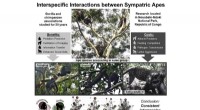
* Social environment: In social animals, the environment can include social interactions, which can affect gene expression through hormonal changes and other physiological responses.
Epigenetics:
* Environmental factors can also influence epigenetic modifications, changes in gene expression without altering the DNA sequence. These changes can be passed down to offspring. For example, parental diet can affect epigenetic modifications in offspring, impacting their health later in life.
It's important to note:
* The genetic code itself is generally very stable and resistant to change. While environmental factors can cause mutations, these are usually rare and often detrimental to the organism.
* The vast majority of genetic variation arises from random mutations during DNA replication, not from environmental factors.
* The impact of environmental factors on gene expression is highly complex and depends on the specific gene, the organism, and the environment.
In conclusion, while environmental factors cannot directly change the genetic code itself, they can significantly impact gene expression, ultimately affecting the traits an organism exhibits. This interplay between environment and genetics is crucial for understanding evolution, adaptation, and the development of diseases.