• Home
  • Chemistry
  • Astronomy
  • Energy
  • Nature
  • Biology
  • Physics
  • Electronics
  • Autotrophs: How Organisms Create Their Own Food (Photosynthesis)
    Organisms that manufacture their own food are called autotrophs. They do this through a process called photosynthesis, where they use sunlight, water, and carbon dioxide to produce glucose (a type of sugar) and oxygen.

    Here are some examples of autotrophs:

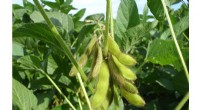
    * Plants: The most common and well-known autotrophs.

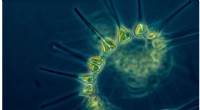
    * Algae: These are single-celled or multicellular organisms that live in water.

    * Cyanobacteria: These are bacteria that can perform photosynthesis.

    Let me know if you'd like to learn more about photosynthesis!

    Science Discoveries © www.scienceaq.com