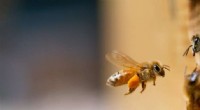
1. Zoology: The study of animals, including their structure, function, behavior, evolution, and classification.
2. Botany: The study of plants, encompassing their structure, function, growth, reproduction, and evolution.
3. Microbiology: The study of microorganisms, including bacteria, viruses, fungi, and protists.
4. Genetics: The study of genes, heredity, and the variation of organisms.
5. Molecular Biology: The study of biological molecules, their structure, function, and interactions.
6. Ecology: The study of interactions between organisms and their environment.
7. Evolution: The study of the origin and diversification of life on Earth.
8. Anatomy: The study of the structure of living organisms, especially humans.
9. Physiology: The study of the functions of living organisms and their parts.
10. Histology: The study of the microscopic structure of tissues.
11. Cytology: The study of cells, their structure, function, and life cycle.
12. Taxonomy: The science of classifying organisms into a hierarchical system.
13. Biophysics: The study of biological phenomena using the principles of physics.
14. Biochemistry: The study of the chemical processes and substances that occur in living organisms.
15. Cell Biology: The study of cells, their structure, function, and life cycle, focusing on the molecular level.
16. Developmental Biology: The study of the development of organisms from fertilization to adulthood.
17. Immunology: The study of the immune system and its response to disease.
18. Neurobiology: The study of the nervous system, including the brain, spinal cord, and nerves.
19. Ethology: The study of animal behavior in their natural environment.
20. Marine Biology: The study of marine organisms and their ecosystems.
21. Paleontology: The study of fossils and ancient life.
22. Bioinformatics: The use of computers and statistical methods to analyze biological data.
23. Genomics: The study of genomes, the complete set of genetic material in an organism.
24. Proteomics: The study of the proteome, the complete set of proteins produced by an organism.
25. Astrobiology: The study of life in the universe, including the possibility of life on other planets.
26. Bioethics: The study of ethical issues related to biology and medicine.
27. Environmental Biology: The study of the interactions between organisms and their environment.
28. Conservation Biology: The study of the conservation of biodiversity and the preservation of ecosystems.
This list is not exhaustive, and there are many other specialized branches of biology. However, it provides a good overview of the major areas of study within this vast and complex field.