1. Photoautotrophs:
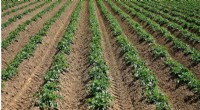
* Plants: The most familiar type of autotroph, using sunlight, water, and carbon dioxide to produce sugars through photosynthesis.
* Algae: A diverse group including microscopic phytoplankton, seaweed, and others, using the same process as plants.
* Cyanobacteria: Single-celled prokaryotes that were responsible for oxygenating Earth's atmosphere billions of years ago, also using photosynthesis.
2. Chemoautotrophs:
* Bacteria: These organisms live in extreme environments like hydrothermal vents or sulfur springs. They use inorganic compounds like hydrogen sulfide, ammonia, or iron to obtain energy and synthesize organic compounds.
Key Characteristics of Autotrophs:
* Produce organic molecules from inorganic sources: Unlike heterotrophs (organisms that consume other organisms), autotrophs create their own food.
* Utilize energy from sunlight (photoautotrophs) or chemical reactions (chemoautotrophs): This energy is used to drive the synthesis of organic molecules.
* Essential for life on Earth: They provide the foundation for food chains, producing the food that sustains other organisms.
Let me know if you want to know more about a specific type of autotroph!