1. Cell Membrane: The cell membrane, a semi-permeable barrier, controls the movement of water and other substances. It has a phospholipid bilayer that allows some molecules to pass through, while blocking others.
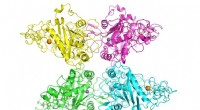
2. Aquaporins: These are protein channels embedded in the cell membrane that specifically allow water to pass through. The number and activity of aquaporins can be regulated by the cell, affecting water flow.
3. Osmosis: Water moves from a region of high concentration to a region of low concentration, driven by the difference in solute concentration between the inside and outside of the cell. This is called osmosis.
4. Solute Concentration: The concentration of solutes (dissolved substances) inside and outside the cell affects water movement. If the solute concentration is higher outside the cell, water will move out of the cell (exocytosis) to try to balance the concentration. If the solute concentration is higher inside the cell, water will move in (endocytosis).
Therefore, a cell doesn't actually "prevent" water from entering. Instead, it regulates the amount of water that enters based on the specific needs of the cell.
It's important to note that cells also have mechanisms to prevent excessive water entry, which can cause the cell to swell and burst. This is achieved by regulating the solute concentration inside the cell and controlling the activity of aquaporins.