Here's a breakdown:
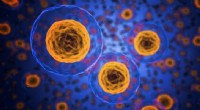
* Mitosis is a type of cell division that produces two daughter cells that are genetically identical to the parent cell.
* This process is essential for growth, development, and repair in multicellular organisms.
* Mitosis ensures that all cells in the body have the same genetic information.
Here are some specific examples of what organisms produce through mitosis:
* Growth: When a baby grows, new cells are produced through mitosis to increase the size of the body.
* Repair: When you get a cut, mitosis is used to produce new cells to replace the damaged ones.
* Asexual reproduction: Some organisms, like plants and single-celled organisms, use mitosis to reproduce asexually, creating new individuals that are genetically identical to themselves.
It's important to remember that mitosis is a different process than meiosis, which produces gametes (sperm and egg cells) that are not genetically identical to the parent cell.