* Photosynthesis: Plants use CO2, water, and sunlight to produce their own food (sugars) through a process called photosynthesis.
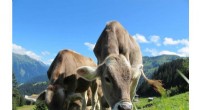
* Animal Respiration: Animals breathe in oxygen and exhale CO2 as a byproduct of respiration.
* The Cycle: This CO2 is released into the atmosphere and is then absorbed by plants for photosynthesis.
Beyond CO2, plants can also get:
* Nutrients from animal waste: Animal waste, such as manure, is rich in nitrogen, phosphorus, and other nutrients essential for plant growth.
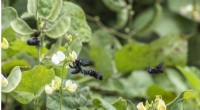
* Pollination: Animals like bees, butterflies, and birds help plants reproduce by transferring pollen from one flower to another.
* Seed dispersal: Animals can help spread plant seeds through their droppings or by carrying seeds on their fur.
It's important to note that this relationship is mutually beneficial. Plants provide animals with food and oxygen, creating a balanced ecosystem.