1. Producers (Autotrophs): These are the foundation of any ecosystem. They make their own food through photosynthesis, converting sunlight into chemical energy. The most common producers are:
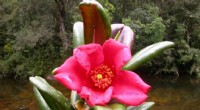
* Plants: Trees, grasses, flowers, shrubs, etc.
* Algae: Single-celled or multicellular organisms in aquatic environments.
* Cyanobacteria: Bacteria that perform photosynthesis.
2. Primary Consumers (Herbivores): These organisms eat producers for their energy. The most common primary consumers are:
* Insects: A vast array of insects feed on plants.
* Grazers: Animals like deer, cows, zebras, and rabbits that graze on grasses.
* Zooplankton: Microscopic animals that eat algae in aquatic environments.
3. Secondary Consumers (Carnivores): These organisms eat primary consumers. Common secondary consumers include:
* Small mammals: Rats, squirrels, foxes, etc.
* Birds: Many birds prey on insects and small mammals.
* Fish: Fish that feed on zooplankton or other fish.
4. Tertiary Consumers (Top Predators): These are the apex predators, consuming secondary consumers. Examples include:
* Large mammals: Lions, tigers, wolves, sharks.
* Birds of prey: Hawks, eagles, owls.
5. Decomposers: These organisms break down dead organic matter from all trophic levels, recycling nutrients back into the ecosystem. They are essential for the continued functioning of ecosystems. Common decomposers are:
* Bacteria: These are the most important decomposers, breaking down a wide range of organic material.
* Fungi: Fungi play a crucial role in decomposing wood and other materials.
Important Points to Remember:
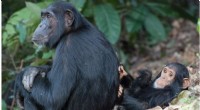
* Not all organisms fit neatly into one category: Some animals are omnivores, eating both plants and animals.
* The most common organisms vary by ecosystem: A desert will have different dominant species than a rainforest.
* Food webs are complex: Organisms often have multiple food sources, making the flow of energy more intricate than a simple chain.
This is a simplified overview of trophic levels. It's crucial to remember that ecosystems are incredibly diverse and complex, with many intricate interactions between species.