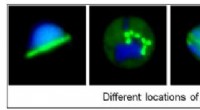
Here's a breakdown of their function:
* Osteoclasts are large, multinucleated cells derived from monocytes (a type of white blood cell).
* They are responsible for bone resorption, which is the breakdown of bone tissue.
* They achieve this by secreting enzymes and acids that dissolve the mineral components of bone and break down the organic matrix.
Here's how osteoclasts work in bone remodeling:
1. Attachment: Osteoclasts attach to the bone surface.
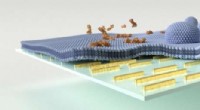
2. Sealing: They form a sealed compartment called a resorption lacuna around the area of bone they will break down.
3. Digestion: They release enzymes and acids into the lacuna, dissolving the bone matrix.
4. Release: The breakdown products (minerals and organic fragments) are released into the bloodstream.
Why is bone resorption important?
* Bone Remodeling: Bone resorption and bone formation (by osteoblasts) occur simultaneously in a process called bone remodeling. This ensures that bone tissue is constantly being renewed and adapted to changing needs.
* Calcium Homeostasis: Osteoclasts help regulate calcium levels in the blood. When calcium levels are low, osteoclasts break down bone to release calcium into the bloodstream.
In summary: Osteoclasts play a crucial role in bone health by breaking down old bone tissue, allowing for the formation of new bone and maintaining calcium balance in the body.