* Atoms: The most basic building blocks of matter.
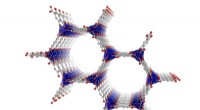
* Molecules: Two or more atoms bonded together.
* Organelles: Specialized structures within cells that perform specific functions (e.g., mitochondria, nucleus).
* Cells: The fundamental unit of life. They are complex structures containing organelles, molecules, and atoms that work together to carry out all the processes necessary for life.
Therefore, cells represent a more complex level of organization than organelles, molecules, or atoms because they are the basic unit of life and contain all the necessary components to function independently.