DNA:
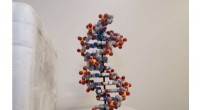
* Sequence Variation: DNA is a sequence of nucleotides (Adenine, Thymine, Guanine, Cytosine). These sequences vary between individuals, even within the same species. This variation is the basis of genetic diversity and is inherited from parents.
* Mutations: Changes in the DNA sequence (mutations) occur over time. Some are neutral, while others can be beneficial or harmful. The accumulation of these mutations, passed down through generations, creates a unique genetic "fingerprint" for each individual and lineage.
* Haplotypes: Specific combinations of DNA variations on a chromosome are called haplotypes. They can be traced back through generations, providing valuable information about ancestry and population movements.
* Mitochondrial DNA (mtDNA): mtDNA is inherited solely from the mother. It has a higher mutation rate than nuclear DNA, making it useful for tracing ancient lineages and maternal ancestry.
* Y-Chromosome DNA: The Y-chromosome is passed down from father to son. Studying variations in the Y-chromosome helps trace paternal lineages.
Proteins:
* Amino Acid Sequences: Proteins are made up of chains of amino acids. The order of these amino acids (the amino acid sequence) is determined by the DNA sequence. Changes in DNA sequences can lead to changes in amino acid sequences, which can be used to infer relationships.
* Protein Polymorphisms: Variations in protein sequences, called polymorphisms, are common in populations. These variations can be used to trace ancestry and track the evolution of proteins.
* Protein Expression Patterns: The levels at which different proteins are produced can also vary between individuals and populations. These differences can be used to infer genetic relationships and understand evolutionary adaptations.
Tools and Applications:
* Genetic Testing: Companies like AncestryDNA and 23andMe use DNA analysis to provide information about ancestry, ethnicity, and even health risks.
* Phylogenetic Analysis: Scientists use DNA and protein sequence data to construct phylogenetic trees, which depict evolutionary relationships between species and organisms.
* Forensic Science: DNA profiling is widely used in forensics to identify individuals and solve crimes.
* Medical Genetics: Understanding genetic variations helps identify individuals at risk for specific diseases and develop personalized medicine approaches.
Limitations:
* Incomplete Records: Not all genetic information is preserved. Some DNA segments may have been lost or mutated beyond recognition.
* Population Bottlenecks: Extreme population reductions can lead to a loss of genetic diversity, making it difficult to trace ancestry accurately.
* Gene Flow: The intermixing of populations can complicate ancestry tracing by introducing DNA from different lineages.
Overall, the structure of DNA and proteins provides a powerful tool for tracing ancestry and understanding evolutionary relationships. While limitations exist, the information obtained from these molecules continues to revolutionize our understanding of human history and the origins of life.