1. Cell Growth and Division:
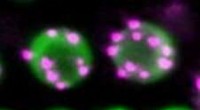
* Cell Growth: Individual cells increase in size by producing more cellular components like proteins, organelles, and cytoplasm. This is driven by the cell's metabolism, taking in nutrients and converting them into energy and building blocks.
* Cell Division: Cells replicate themselves through processes like mitosis (for most body cells) or meiosis (for sex cells). This increases the overall number of cells in the organism.
2. Genetic Control:
* DNA and Genes: The instructions for growth and development are encoded in the organism's DNA. Specific genes are activated at different stages, controlling the production of proteins that regulate cellular processes.
* Gene Expression: The process of reading and using the genetic information in DNA to create proteins is known as gene expression. Different genes are expressed at different times and in different cells, leading to specialized cell types and tissues.
3. Differentiation and Morphogenesis:
* Differentiation: Cells become specialized for specific functions during development. This involves turning on or off specific genes, leading to differences in cell structure and activity. For example, nerve cells become different from muscle cells.
* Morphogenesis: The process of shaping and organizing tissues and organs into the final body form. This involves cell movements, interactions, and signaling pathways, all guided by genetic instructions.
4. Environmental Influences:
* Nutrition: Adequate nutrients are essential for cell growth and division.
* Hormones: Chemical messengers produced by the body regulate growth and development.
* External Factors: Light, temperature, and social cues can also influence growth and development.
5. Developmental Stages:
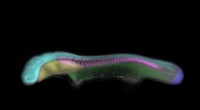
* Embryonic Development: The initial stages of development, involving rapid cell division, differentiation, and morphogenesis.
* Post-natal Development: The growth and maturation that occurs after birth or hatching.
* Lifelong Development: Throughout an organism's life, changes can occur in response to the environment and aging.
Examples:
* Human Development: From a single fertilized egg, a complex organism develops with specialized tissues, organs, and systems.
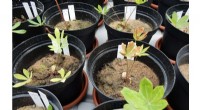
* Plant Growth: Plants grow by increasing the number and size of their cells, developing roots, stems, leaves, and flowers.
* Insect Metamorphosis: Insects like butterflies undergo dramatic transformations, involving larval stages, pupation, and emergence as adults.
Overall:
Growth and development are a continuous and dynamic process, driven by a complex interplay of cellular processes, genetic information, and environmental factors. This process ensures the formation of a functional and healthy organism.