Animal Cells:
* Cleavage furrow: Cytokinesis begins with the formation of a cleavage furrow, an indentation on the cell surface.
* Microfilaments: This furrow is formed by a contractile ring made of microfilaments, primarily composed of the protein actin.
* Contraction: The microfilaments contract, pulling the plasma membrane inward and eventually pinching the cell into two daughter cells.
Plant Cells:
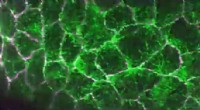
* Cell plate formation: Plant cells have rigid cell walls, so they can't form a cleavage furrow. Instead, cytokinesis involves the formation of a cell plate in the middle of the parent cell.
* Golgi apparatus: The cell plate originates from vesicles derived from the Golgi apparatus, which migrate to the center of the cell.
* Cell wall material: These vesicles fuse together, releasing cell wall material (mainly cellulose) that forms a new cell wall between the two daughter cells.
* Middle lamella: The cell plate eventually joins with the existing cell walls, forming a middle lamella, a layer of pectin that holds the two new cell walls together.
Here's a table summarizing the key differences:
| Feature | Animal Cells | Plant Cells |
|---|---|---|
| Mechanism | Cleavage furrow formation | Cell plate formation |
| Structures involved | Microfilaments | Golgi apparatus, vesicles |
| Process | Inward pinching of plasma membrane | Fusion of vesicles to form a new cell wall |
| Final product | Two daughter cells separated by plasma membrane | Two daughter cells separated by new cell wall and middle lamella |
In short, animal cells use a contractile ring to pinch the cell in two, while plant cells build a new cell wall between the daughter cells. This difference reflects the unique structural features of each cell type.