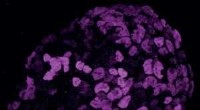
* Revealed the Existence of Cells: Prior to the microscope, the very existence of cells was unknown. Early microscopes allowed scientists like Robert Hooke and Antonie van Leeuwenhoek to see these tiny building blocks of life for the first time. Hooke even coined the term "cell" after observing the box-like compartments in cork.
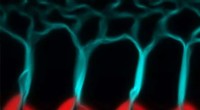
* Enabled Detailed Observation: Microscopes allowed scientists to see the structure of cells in far greater detail than ever before possible with the naked eye. They could observe things like the nucleus, cell wall, and organelles, which are the tiny organs within cells.
* Understanding of Cellular Function: Being able to see the structure of cells provided crucial information about their function. For example, the discovery of mitochondria led to the understanding of their role in cellular respiration.
* Unveiled the Diversity of Life: Microscopes revealed a hidden world of microorganisms that we couldn't see without them. This expanded our knowledge of life's diversity, from bacteria to protists, and led to the development of entire fields of study like microbiology.
* Foundation for Modern Biology: The invention of the microscope laid the foundation for many key areas of modern biology, including:
* Cytology: The study of cells.
* Histology: The study of tissues.
* Cellular Biology: The study of how cells function.
* Microbiology: The study of microorganisms.
In essence, the microscope unlocked a whole new world of understanding about life itself. It empowered scientists to see beyond the limits of the naked eye and delve into the intricate workings of the very foundation of all living things.