Here's a breakdown:
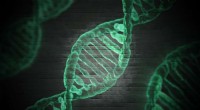
* Gene: A segment of DNA that contains the instructions for building a specific polypeptide chain.
* Polypeptide: A chain of amino acids linked together by peptide bonds.
* Protein: A functional unit made up of one or more polypeptide chains.
Key points:
* The hypothesis was initially proposed as "one gene-one enzyme" because many enzymes are proteins. However, it was later expanded to include all proteins, including those that are not enzymes.
* The hypothesis is not entirely accurate, as some genes can code for multiple polypeptides through alternative splicing.
* Some proteins are made up of multiple polypeptide chains, each encoded by a different gene.
* The "one gene-one polypeptide" hypothesis provides a fundamental understanding of the relationship between genes and proteins, which is essential for understanding genetics, molecular biology, and disease.
In simpler terms, the hypothesis suggests that each gene is like a blueprint for a specific protein, and that each protein performs a specific function in the cell.