Heterotrophs:
* Definition: Organisms that cannot produce their own food and must obtain organic compounds (carbon) from other organisms.
* Types of Heterotrophic Microbes:
* Chemoheterotrophs: Obtain energy from chemical compounds (like sugars, proteins, or fats) that they consume. Examples:
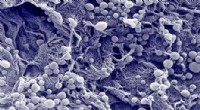
* Bacteria: Many bacteria, including E. coli, Salmonella, and Staphylococcus.
* Fungi: Yeasts, molds, and mushrooms.
* Protozoa: Amoebas, paramecia, and sporozoans.
* Photoheterotrophs: Obtain energy from light but still need to consume organic compounds for carbon. Examples:
* Some bacteria: Purple non-sulfur bacteria, green non-sulfur bacteria.
Examples of Heterotrophic Microbes in Action:
* Bacteria: Decompose organic matter (like dead plants and animals), causing decay.
* Fungi: Break down wood, leaves, and other organic materials, playing a vital role in nutrient cycling.
* Protozoa: Consume bacteria, algae, and other protozoa in aquatic environments.
Important Note:
Not all microbes are heterotrophs. Some microbes are autotrophs and can produce their own food through photosynthesis or chemosynthesis. Examples of autotrophic microbes include:
* Cyanobacteria: Photosynthetic bacteria.
* Chemoautotrophs: Bacteria that obtain energy from inorganic compounds (like sulfur or methane).
In summary:
Heterotrophs are a diverse group of microbes that play essential roles in ecosystems by breaking down organic matter and providing food for other organisms. They are essential for nutrient cycling and decomposition.