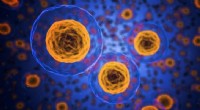
T lymphocytes, also known as T cells, are a vital component of the adaptive immune system. Their structure reflects their diverse roles in recognizing and eliminating specific threats. Here's a breakdown:
1. Plasma Membrane:
- T Cell Receptor (TCR): This is the key element for T cell function. It's embedded in the plasma membrane and recognizes specific antigens presented by other cells. There are two main types:
- Alpha-beta TCR: The most common type found on most T cells.
- Gamma-delta TCR: Found on a smaller subset of T cells, recognizing different antigens.
- Other Receptors: T cells possess other receptors, including:
- CD4 & CD8: Co-receptors that help TCR signaling and identify the type of antigen-presenting cell.
- CD28: A receptor that interacts with CD80 and CD86 on antigen-presenting cells, providing a crucial signal for T cell activation.
- CTLA-4: A receptor that downregulates T cell activation, preventing excessive immune responses.
2. Cytoplasm:
- Cytoskeleton: Provides structural support and facilitates cell movement.
- Mitochondria: Provides energy for cellular processes.
- Golgi apparatus and Endoplasmic Reticulum: Involved in protein synthesis, modification, and transport.
- Lysosomes: Contain enzymes for degrading internalized antigens.
- Granules: Contain cytotoxic molecules like perforin and granzyme, essential for eliminating infected or cancerous cells.
3. Nucleus:
- DNA: Contains the genetic information for T cell development and function.
- Nucleolus: Where ribosomes are produced, essential for protein synthesis.
4. Subtypes of T Cells:
- Helper T cells (Th cells): Express CD4 co-receptor and assist other immune cells by releasing cytokines.
- Cytotoxic T cells (Tc cells): Express CD8 co-receptor and directly kill infected or cancerous cells.
- Regulatory T cells (Treg cells): Suppress immune responses to prevent autoimmunity.
- Memory T cells: Persist after an infection, providing long-term immunity.
T cell Structure in Summary:
* Plasma membrane: Contains TCR, co-receptors, and other receptors crucial for antigen recognition and activation.
* Cytoplasm: Houses organelles for protein synthesis, energy production, and elimination of internalized antigens.
* Nucleus: Contains DNA and the blueprint for T cell development and function.
* Subtypes: T cells differentiate into diverse types with unique roles in the immune response.
The structure of T lymphocytes is highly complex, reflecting their central role in recognizing and responding to specific threats.