Here are some key characteristics of organisms:
* Organization: Organisms are highly organized, with different structures (cells, tissues, organs) that work together.
* Metabolism: They carry out chemical reactions to obtain and use energy for growth and maintenance.
* Growth: Organisms increase in size and complexity over time.
* Reproduction: Organisms produce offspring, ensuring the continuation of their species.
* Responsiveness: They react to stimuli in their environment.
* Adaptation: Organisms evolve over time to better suit their environment.
There is a vast diversity of organisms on Earth, ranging from microscopic bacteria to giant whales. Here are some examples of different types of organisms:
* Bacteria: Single-celled organisms that are found everywhere.
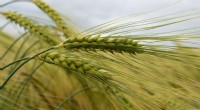
* Plants: Multicellular organisms that produce their own food through photosynthesis.
* Animals: Multicellular organisms that consume other organisms for food.
* Fungi: Organisms that obtain nutrients by breaking down dead organic matter.
* Protists: A diverse group of mostly single-celled organisms.
Understanding organisms is crucial for understanding the natural world and the role we play in it. It also helps us to appreciate the diversity of life on Earth and the delicate balance of ecosystems.