1. Genetic Variation:
* Mutations: DNA mutations occur randomly and can lead to changes in the DNA sequence. These mutations can be beneficial, harmful, or neutral. Over time, these mutations accumulate in different individuals, creating genetic diversity within a species.
* Recombination: During sexual reproduction, chromosomes from both parents are shuffled and combined to create a unique combination of genes in the offspring. This process ensures genetic variation among individuals within a species.
* Gene flow: The movement of individuals between populations can introduce new genetic variations to a population, further increasing polymorphism.
2. Selection:
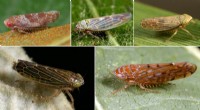
* Natural selection: Individuals with traits that are better suited to their environment are more likely to survive and reproduce, passing on their genes. This can lead to the accumulation of specific genetic variations within a population, making it polymorphic.
* Sexual selection: Individuals with specific traits that make them more attractive to potential mates are more likely to reproduce. This can also lead to the selection of specific genetic variations and contribute to polymorphism.
3. Random Genetic Drift:
* Founder effect: When a small group of individuals from a larger population establishes a new colony, the genetic diversity of the new population is reduced, and the frequencies of certain alleles may be different from the original population.
* Bottleneck effect: When a population undergoes a dramatic reduction in size, due to factors like disease or natural disasters, the genetic diversity of the surviving population is also reduced, leading to a different allele frequency distribution.
4. Polymorphism is Adaptive:
* Disease resistance: Genetic variation within a population can provide resistance to diseases, as different individuals might possess different immune responses.
* Environmental adaptability: Polymorphism can allow a population to adapt to different environmental conditions, such as temperature, food availability, or predators.
In summary, DNA from two organisms of the same species is polymorphic due to a combination of factors, including mutations, recombination, gene flow, natural selection, sexual selection, and random genetic drift. This polymorphism is essential for the survival and evolution of species.