1. Reproduce desirable traits:
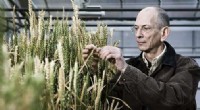
* Clones of high-yielding crops: Cloning allows farmers to reproduce plants with desirable traits like high yields, disease resistance, pest tolerance, and specific nutritional content. This ensures consistent production and reduces the need for pesticides and herbicides.
* Clones of superior livestock: Cloning can be used to produce genetically identical copies of elite livestock with desirable traits like high milk production, meat quality, or disease resistance. This can improve efficiency and profitability for farmers.
2. Preserve genetic diversity:
* Cloning endangered or rare breeds: Cloning can help preserve endangered animal breeds by creating genetically identical copies. This can help maintain genetic diversity within a species and prevent their extinction.
* Cloning rare or valuable plant species: Cloning can be used to reproduce rare or valuable plant species, ensuring their survival and preservation for future generations.
3. Improve crop and livestock research:
* Clones for research: Cloning allows researchers to study the effects of different genetic modifications or environmental conditions on genetically identical organisms. This provides a controlled environment for research and development.
* Clones for disease studies: Cloning can be used to study the effects of diseases on genetically identical animals, allowing for a better understanding of disease mechanisms and potential treatments.
Specific examples of cloning in agriculture:
* Cloning of elite dairy cows: Cloning allows farmers to reproduce cows with high milk production and other desirable traits, leading to increased milk yield and profitability.
* Cloning of disease-resistant crops: Cloning can produce crops resistant to specific diseases, reducing losses due to disease outbreaks and the need for chemical treatments.
* Cloning of rare fruit trees: Cloning allows for the preservation of rare or valuable fruit trees, ensuring their continued production and propagation.
However, there are also ethical concerns surrounding cloning in agriculture:
* Animal welfare: Cloning can lead to health problems and shortened lifespans in cloned animals.
* Genetic diversity: Excessive reliance on cloning can lead to a decrease in genetic diversity, making populations more susceptible to disease and environmental changes.
* Environmental impact: Cloning can contribute to the spread of genetically modified organisms, with potential consequences for ecosystems.
It is important to note that cloning is a complex and rapidly evolving technology. Its ethical and environmental implications are still being debated, and its use in agriculture is subject to ongoing research and regulation.