1. Animals as Subjects of Study:
* Understanding Life Processes: Animals provide excellent models for studying fundamental biological processes like:
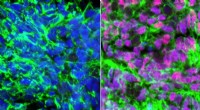
* Cellular function: From simple organisms like amoebas to complex mammals, animals help us understand how cells work, divide, and differentiate.
* Genetics: Animals are used to study how genes are passed down, how they influence development, and how mutations can impact health.
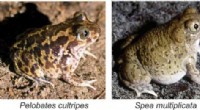
* Evolution: Studying animal diversity and evolution helps us understand the history of life on Earth.
* Physiology: Understanding how animal bodies function, from digestion to respiration, provides insights into human physiology as well.
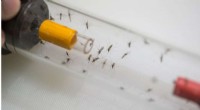
* Behavior: Animal behavior research reveals complex social interactions, communication methods, and the evolution of intelligence.
* Medical Research: Animals play a vital role in medical research, providing models for understanding and treating diseases. This includes:
* Drug testing: New drugs are often tested on animals before human trials.
* Disease models: Animals with specific genetic mutations can be used to study the causes and progression of diseases.
* Transplantation: Animal organs have been used for transplantation in humans.
2. Animals as Part of Ecosystems:
* Biodiversity: Animals contribute to the biodiversity of ecosystems.
* Food Webs: Animals are essential components of food webs, as predators, prey, and decomposers.
* Ecosystem Services: Animals provide essential services like pollination, seed dispersal, pest control, and nutrient cycling.
3. Ethical Considerations:
* Animal Welfare: The use of animals in research raises ethical questions about their welfare and the balance between scientific advancement and ethical treatment.
* Conservation: Understanding animal biology is crucial for conservation efforts to protect endangered species and maintain biodiversity.
In short, animals are not just subjects of biological study, but also integral parts of the living world, impacting ecosystems and influencing human health and well-being. Their study is vital for our understanding of life and our role in the planet's biodiversity.