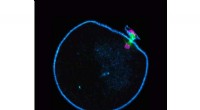
A eukaryotic cell is a type of cell that has a true nucleus and other membrane-bound organelles. This means that its genetic material (DNA) is enclosed within a membrane-bound nucleus, separate from the rest of the cell's cytoplasm.
Here are some key characteristics of eukaryotic cells:
* Membrane-bound nucleus: The nucleus contains the cell's genetic material and controls cellular activities.
* Organelles: Eukaryotic cells have various specialized compartments called organelles, such as mitochondria, Golgi apparatus, endoplasmic reticulum, lysosomes, etc. Each organelle has its specific function and contributes to the overall cell function.
* Cytoplasm: The space between the nucleus and the cell membrane is filled with a gel-like substance called cytoplasm, where many cellular processes occur.
* Cytoskeleton: A network of protein filaments provides structural support, helps maintain cell shape, and facilitates movement within the cell.
* Cell membrane: A phospholipid bilayer that encloses the cell, regulating the passage of substances in and out.
Examples of eukaryotic cells:
* Animal cells: These cells lack a cell wall and have centrioles involved in cell division.
* Plant cells: These cells have a cell wall, chloroplasts for photosynthesis, and a large central vacuole.
* Fungi cells: These cells have a cell wall, but it's made of chitin, not cellulose like plants.
* Protists: This diverse group includes single-celled organisms like amoeba and paramecium.
Eukaryotic cells are much more complex than prokaryotic cells (like bacteria and archaea), which lack a nucleus and other membrane-bound organelles. This complexity allows for more specialized functions and greater diversity in eukaryotic organisms.
Here are some key differences between prokaryotic and eukaryotic cells:
| Feature | Prokaryotic Cells | Eukaryotic Cells |
|--------------|-------------------|-------------------|
| Nucleus | Absent | Present |
| Organelles | Absent | Present |
| DNA | Circular | Linear |
| Size | Smaller | Larger |
| Reproduction | Binary fission | Mitosis/Meiosis |
Understanding eukaryotic cells is crucial for understanding the biology of all multicellular organisms, including ourselves.