1. Exchange Gases:
* Respiration: Organisms need to take in oxygen and release carbon dioxide. A higher SA:V allows for more efficient gas exchange across cell membranes, especially in single-celled organisms and small multicellular ones.
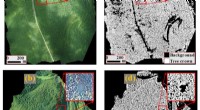
* Photosynthesis: Plants need to absorb carbon dioxide and release oxygen. A high SA:V in leaves increases the surface area for photosynthesis.
2. Absorb Nutrients:
* Single-celled organisms: A larger surface area relative to volume allows for efficient uptake of nutrients from the surrounding environment.
* Multicellular organisms: In the digestive system, a high SA:V in the intestines increases the surface area for nutrient absorption.
3. Eliminate Waste:
* Single-celled organisms: A larger SA:V helps in efficient removal of waste products from the cell.
* Multicellular organisms: Kidneys and skin play a role in waste removal. A higher SA:V in these organs facilitates this process.
4. Regulate Temperature:
* Animals: A higher SA:V means more surface area for heat loss. This is why small animals have a higher metabolic rate to generate heat.
* Plants: Leaves with a high SA:V can absorb more sunlight for photosynthesis, but also lose more water through transpiration.
5. Maintain Homeostasis:
* Overall: The SA:V ratio influences an organism's ability to regulate internal conditions like temperature, pH, and water balance, which is essential for survival.
Here's how SA:V changes with size:
* Smaller organisms: Have a higher SA:V. This is advantageous for efficient gas exchange, nutrient uptake, and waste removal.
* Larger organisms: Have a lower SA:V. This makes it harder for efficient exchange processes. Larger organisms need specialized structures like lungs, circulatory systems, and intestines to overcome this limitation.
Examples:
* Amoeba: A single-celled organism with a high SA:V, allowing efficient nutrient uptake and waste removal.
* Fish: Gills with a large surface area for gas exchange.
* Leaves: Large surface area to capture sunlight for photosynthesis.
* Small mammals: High metabolic rate to compensate for heat loss due to their high SA:V.
In summary, the SA:V ratio is a crucial factor in the survival and functioning of organisms at all levels of complexity. It directly affects their ability to exchange gases, absorb nutrients, eliminate waste, regulate temperature, and maintain homeostasis.