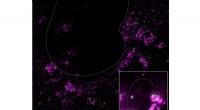
Mitosis is a fundamental process in all living organisms. It's the way that cells reproduce themselves, creating two identical daughter cells from a single parent cell.
Here's a simplified breakdown of what happens during mitosis:
1. Interphase: The cell prepares for division. It grows, copies its DNA (chromosomes), and produces the necessary proteins for the process.
2. Prophase: The replicated chromosomes condense and become visible. The nuclear envelope breaks down, and spindle fibers form.
3. Metaphase: The chromosomes line up at the center of the cell, attached to the spindle fibers.
4. Anaphase: The sister chromatids (copies of each chromosome) are pulled apart by the spindle fibers and move to opposite poles of the cell.
5. Telophase: The chromosomes reach the poles, new nuclear envelopes form around them, and the cytoplasm divides, creating two distinct daughter cells.
Why is mitosis important?
* Growth: Mitosis allows organisms to grow by increasing the number of cells.
* Repair: It replaces damaged or worn-out cells, keeping the body healthy.
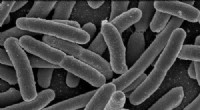
* Reproduction: In single-celled organisms like bacteria, mitosis is the primary mode of reproduction.
* Asexual Reproduction: In some multicellular organisms like plants, mitosis is involved in asexual reproduction, such as the creation of bulbs or runners.
In short, mitosis is essential for:
* Development: It enables a single fertilized egg to develop into a complex organism.
* Maintenance: It ensures that tissues are constantly renewed and replaced.
* Survival: It allows for healing and repair of injuries.
Without mitosis, life as we know it would be impossible. This process is crucial for the growth, development, and continued survival of every living organism.