Here are some real-life examples of evolution in action:
1. Antibiotic Resistance:
* Theory: Bacteria can evolve resistance to antibiotics through mutations.
* Real-life example: The widespread use of antibiotics has led to the evolution of antibiotic-resistant bacteria. This is because bacteria that have mutations allowing them to survive antibiotics are more likely to reproduce, passing on those mutations. Over time, populations of bacteria become increasingly resistant.
2. Pesticide Resistance:
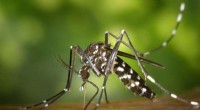
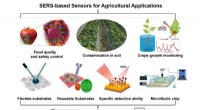
* Theory: Insects can develop resistance to pesticides through natural selection.
* Real-life example: Farmers use pesticides to control insect pests. However, some insects have mutations that allow them to survive the pesticide. These insects reproduce, passing on their resistance genes, leading to populations of pesticide-resistant insects.
3. Darwin's Finches:
* Theory: Natural selection can drive changes in beak size and shape in response to food availability.
* Real-life example: The finches on the Galapagos Islands, studied by Darwin, have different beak shapes depending on their diet. Some have large, strong beaks for cracking seeds, while others have smaller, more delicate beaks for eating insects. These differences evolved over time as the finches adapted to different food sources.
4. Peppered Moth:
* Theory: Natural selection can favor different traits depending on the environment.
* Real-life example: The peppered moth, a species found in England, exists in two color variations: light and dark. During the Industrial Revolution, the environment became polluted, making the trees darker. The darker moths were better camouflaged and thus survived better, leading to an increase in their population.
5. Human Evolution:
* Theory: Humans have evolved over millions of years, with changes in our physical and cognitive abilities.
* Real-life example: The fossil record shows that early humans had smaller brains and different physical characteristics than modern humans. These changes were driven by factors like climate change, diet, and the development of tools and language.
These are just a few examples. Evolution is a constant process happening all around us, affecting everything from microscopic bacteria to large mammals.
It's important to remember that evolution is not a linear progression towards perfection. It's a process of adaptation to changing environments, driven by random mutations and natural selection. The fittest individuals survive and reproduce, passing on their traits, leading to changes in populations over time.